Can Flowers Improve Your Mood? Exploring Floral Therapy
Introduction
Flowers have a remarkable ability to change the atmosphere of a space. A bouquet on a dining table can make a room feel more welcoming, while a thoughtful floral gift can brighten an ordinary day.
Across cultures and throughout history, flowers have been closely associated with celebration, comfort, affection, and encouragement. Their colours, fragrances, and symbolism have become part of many of life's most memorable moments, from birthdays and graduations to weddings, housewarmings, and anniversaries.
This enduring relationship has contributed to growing interest in floral therapy, the idea that flowers can positively influence the way we feel and experience our surroundings. While flowers may seem like simple decorative objects, they can shape our emotions, our interactions with others, and even the atmosphere of the spaces where we spend our time.
Part 2: What Is Floral Therapy?
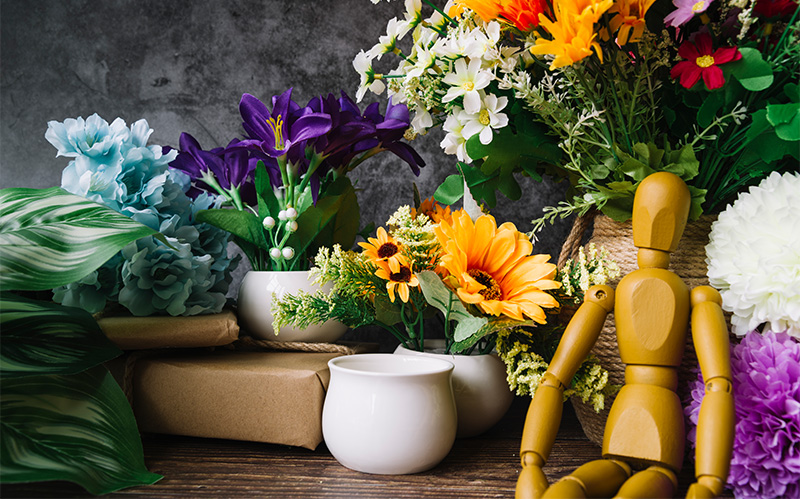
At its core, floral therapy describes the positive influence flowers can have on emotional wellbeing through everyday experiences. Rather than being a medical treatment, it focuses on the simple ways flowers encourage moments of calm, appreciation, comfort, and connection.
You may have experienced this without realising it. Walking into a room filled with fresh flowers, receiving an unexpected bouquet, or noticing your favourite blooms on a windowsill can all shift your attention away from daily stresses, even if only for a few moments. These small experiences form the foundation of floral therapy, encouraging a greater awareness of beauty and the present moment.
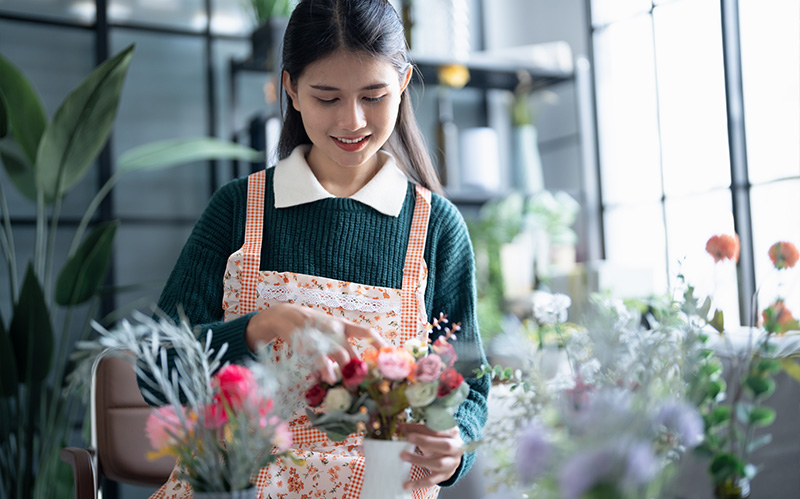
For some, this means displaying flowers throughout the home. Others enjoy arranging blooms themselves, caring for them as they open over several days, or surprising friends and family with flowers chosen especially for them. Whatever form it takes, floral therapy creates opportunities to reconnect with nature and introduce more positive experiences into everyday life.
Part 3: The Long Relationship Between Flowers and Positive Emotions
Long before flowers became one of the world's most popular gifts, they held cultural, social, and symbolic importance across different civilisations. Their presence in religious ceremonies, festivals, gardens, and homes helped establish many of the emotional associations that continue to influence how we respond to flowers today.
3.1. Flowers Have Been Associated With Wellbeing for Centuries
The connection between flowers and wellbeing is far from a modern idea.
Ancient Egyptians displayed lotus flowers in homes and temples because they symbolised renewal and life. In Ancient Greece and Rome, flowers decorated public celebrations, banquets, and ceremonial spaces, helping create surroundings that felt joyful and welcoming.
Across Asia, flowers also became deeply woven into everyday life. Peonies came to represent prosperity and happiness in Chinese culture, while Japan's tradition of hanami encourages people to gather beneath blooming cherry blossoms each spring to appreciate beauty, reflect on life's changing seasons, and spend time together outdoors.
These traditions were never simply about decoration. Flowers became part of shared experiences, helping transform ordinary places into spaces that encouraged appreciation, reflection, and human connection. Today, floral therapy continues many of these same ideas by recognising how flowers can influence both our surroundings and our emotions.
3.2. The Language of Flowers and Emotional Expression
During the Victorian era, flowers developed another role through floriography, often known as the language of flowers. Different blooms carried specific meanings, allowing bouquets to communicate messages without words. Roses represented love and admiration, hydrangeas gratitude, sunflowers positivity, and lilies sincerity and respect.
This tradition encouraged careful thought when selecting flowers. Rather than choosing an arrangement based only on appearance, gift-givers considered the message they wished to communicate and how particular flowers might express those feelings.
Although these traditions have become less formal over time, the idea behind them remains familiar today. Floral gifting continues to celebrate achievements, express sympathy, offer encouragement, strengthen relationships, and remind someone they are appreciated. Whether given for a major celebration or an ordinary weekday, flowers can create lasting emotional memories because they acknowledge both the occasion and the recipient.
Part 4: The Therapeutic Benefits of Flowers
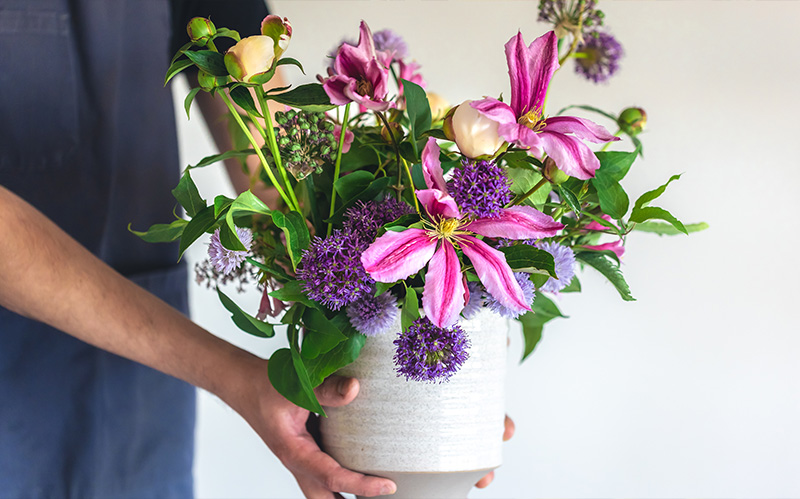
The growing popularity of floral therapy has also encouraged researchers to explore why flowers have such a positive effect on many individuals. While every person responds differently, studies suggest flowers may influence attention, emotional responses, stress levels, and social interactions in several meaningful ways.
4.1. The Psychology of Flowers: What Studies Suggest
Researchers have explored how flowers affect emotional responses following stressful experiences.
In one study published in the Journal of Environmental Psychology (2020), participants first viewed images designed to create psychological stress before being shown images of flowers. Researchers found that viewing flowers was associated with reduced negative emotions, alongside lower blood pressure and cortisol levels, both of which commonly rise during periods of stress.
One explanation is that flowers naturally redirect attention. Instead of continuing to focus on stressful thoughts, the mind shifts towards something visually engaging and aesthetically pleasing. This change in attention may support emotional recovery by interrupting cycles of worry and encouraging a calmer mental state.
Brain imaging from the same research offered additional insight: participants showed reduced activity in brain regions associated with stress and emotional processing after viewing flowers. While flowers cannot eliminate stressful situations, these findings help explain why floral therapy may support emotional recovery following difficult experiences.
4.2. How Colour and Fragrance Shape Emotional Experiences
Flowers naturally attract attention in ways that many everyday objects do not. Their colours, forms, and fragrances create a sensory experience that encourages you to pause, even briefly, during a busy day.
Colour plays an important role. Bright shades such as yellow and orange are commonly associated with warmth, optimism, and energy, while softer colours including white, lavender, pale pink, and cream tend to create a gentler atmosphere. Choosing different flowers therefore changes not only the appearance of a room but also how that space may feel.
Fragrance adds another dimension. Scientists have long recognised the close relationship between scent, memory, and emotion. A familiar floral fragrance may immediately remind you of a loved one, an important celebration, or a meaningful place, strengthening the emotional connection created by the flowers themselves.
Together, colour, fragrance, and natural beauty help explain many of the emotional benefits of flowers. While no bouquet can permanently change your mood, these sensory experiences can introduce small moments of calm, enjoyment, and reflection that gradually contribute to a more positive environment. These everyday experiences are why floral therapy continues to resonate with so many people.
4.3. How Flowers Strengthen Social Connections
Positive emotional wellbeing is closely connected to meaningful relationships. Feeling appreciated, supported, and remembered can shape how we experience both joyful and challenging periods of life.
Flowers naturally encourage these connections because they provide a simple yet thoughtful way to communicate emotions. A flower bouquet can congratulate someone on an achievement, offer comfort during difficult times, express gratitude, or celebrate an important milestone without requiring lengthy explanations.
Psychologists have also recognised that giving can benefit both the giver and the recipient. Selecting flowers requires thought, empathy, and consideration, while receiving them reinforces feelings of appreciation and belonging. These positive interactions strengthen relationships and help create memories associated with kindness and generosity.
This social dimension forms another important aspect of floral therapy. Beyond their beauty, flowers encourage meaningful human connections that continue long after the bouquet has been received, helping explain why they remain such enduring gifts across cultures and generations.
Part 5: Choosing Flowers to Encourage Different Moods
One of the most practical aspects of floral therapy is that it can be tailored to different emotions and environments. The flowers you choose, together with their colours, fragrances, and overall arrangement, can influence the atmosphere you want to create.
While every individual responds differently, certain flowers have become popular choices because of the feelings they commonly evoke.
5.1. Flowers for Creating a Sense of Calm
When your goal is to create a quieter, more restful environment, flowers with softer colours and delicate forms are often a natural choice.
White lilies, pale roses, hydrangeas, and lavender-toned blooms introduce a sense of lightness without overwhelming the space. Their gentle appearance makes them particularly suitable for bedrooms, reading corners, or living areas where you hope to unwind at the end of the day.
Subtle fragrances can further enhance the experience. Rather than dominating the room, lightly scented flowers encourage you to slow down and appreciate your surroundings. This gentle sensory experience is one way floral therapy can become part of an everyday routine, rather than something reserved for special occasions.
5.2. Flowers for Bringing Energy and Optimism
Not every room calls for a calming atmosphere. Sometimes you may want flowers that create a brighter, more uplifting impression.
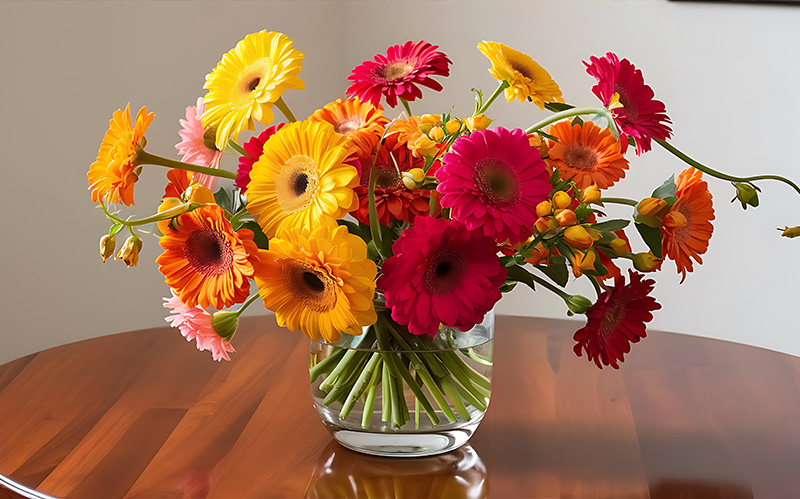
Sunflowers, gerberas, brightly coloured roses, and seasonal blooms with vibrant yellows, oranges, and reds naturally draw attention. Their bold colours create visual energy, making them popular mood-boosting flowers for dining areas, entryways, reception spaces, and celebrations.
These arrangements are especially suited to occasions that already carry positive emotions, such as birthdays, graduations, promotions, and housewarmings. Their presence reinforces the sense of excitement surrounding the event while bringing warmth into the surrounding space.
5.3. Flowers That Express Comfort and Encouragement
Flowers are equally meaningful during quieter moments of life.
When someone is experiencing uncertainty, recovery, a career change, or another major transition, flowers can communicate care without requiring elaborate words. Soft pink roses, hydrangeas, chrysanthemums, and pastel arrangements are frequently chosen because they feel sincere, reassuring, and thoughtful. In these situations, the bouquet represents encouragement, support, and the reassurance that someone is thinking of you.
For occasions where you hope the gift lasts beyond the life of fresh blooms, a preserved floral gift can continue serving as a visual reminder of that encouragement long after the occasion has passed. For recipients, they become meaningful floral keepsakes connected to a memorable stage of life.
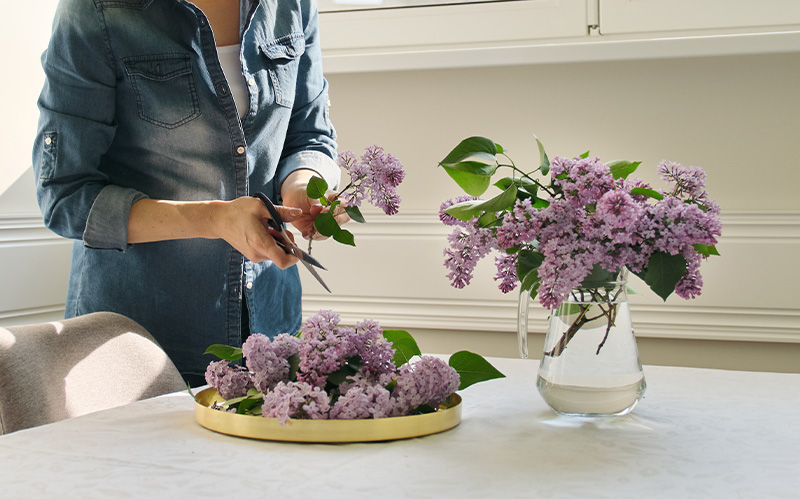
Part 6: Bringing Floral Therapy Into Everyday Life
One of the greatest strengths of floral therapy is that it does not require a special occasion. Small interactions with flowers throughout the week can gradually become part of everyday routines, helping you notice moments of beauty that might otherwise be overlooked.
Whether you display flowers at home, brighten your workspace, or surprise someone with an unexpected bouquet, these simple gestures allow floral therapy to become part of daily life rather than something experienced only occasionally.
6.1. Display Flowers Where You Spend Time
Where you place flowers influences how frequently you experience them.
Dining tables, kitchen counters, bedside tables, home offices, and entryways naturally become places where flowers are noticed throughout the day. Seeing an arrangement while preparing breakfast or returning home from work creates repeated opportunities to enjoy its colours, fragrance, and natural form.
Different rooms may also benefit from different arrangements. Softer colours can complement restful spaces, while brighter flowers bring energy into communal areas where family and friends gather. A small but thoughtfully arranged fresh-flower hand bouquet, displayed in a favourite part of your home, can continue contributing to floral therapy long after it has been received.
6.2. Add Flowers to Your Workspace
Modern work environments are often filled with screens, meetings, and long periods of concentration.
Introducing flowers to your desk or workspace creates visual contrast and adds a natural element to an otherwise functional environment. Looking away from a computer screen to focus briefly on flowers can provide a welcome change of pace during the day.
Flowers can also personalise your workspace, making it feel warmer and more inviting. Even a modest arrangement can introduce colour and character without taking up much space.
6.3. Give Flowers With Intention
Flowers are most commonly associated with celebrations, but they can be equally meaningful when given for smaller, everyday reasons. You might celebrate the completion of a challenging project, encourage someone before an important event, welcome a friend into a new home, or simply let someone know they are being thought of.
These thoughtful gestures show that floral therapy extends beyond displaying flowers: giving flowers also creates opportunities to strengthen relationships through shared positive experiences. If you cannot deliver the flowers yourself, bouquet delivery services make it easier to share thoughtful gestures, even when distance or busy schedules make meeting in person difficult.
Frequently Asked Questions
Can floral therapy work with preserved flowers?
Yes. While many people associate floral therapy with fresh flowers because of their natural fragrance and seasonal beauty, preserved arrangements can also contribute through their colour, form, and lasting presence. They continue creating a pleasant environment while serving as a reminder of meaningful occasions.
How often should I keep flowers at home?
There is no ideal schedule. Some enjoy replacing flowers weekly, while others prefer buying them whenever they want to refresh a room or celebrate a special occasion. The best routine is one that suits your lifestyle, budget, and preferences.
Which flowers are best for improving mood?
There is no single answer: everyone responds differently. Bright flowers such as sunflowers and gerberas are frequently chosen for cheerful spaces, while lilies, hydrangeas, and soft-coloured roses may suit calmer environments. The flowers you personally enjoy are often the ones that provide the greatest emotional value.
Conclusion
Flowers have accompanied human experiences for centuries, bringing colour, symbolism, and meaning to celebrations, relationships, and everyday life. Today, floral therapy offers another way to appreciate their value by recognising how simple interactions with flowers can contribute to a calmer, brighter, and more connected daily experience. Whether you choose flowers to create a peaceful home, celebrate an important milestone, or encourage someone through a difficult period, thoughtful floral design can shape both the atmosphere and the emotions surrounding the moment.
At Art In Bloom, we understand the language behind flowers. Our florists consider the colours and style that best suit the occasion, whether you want to brighten a room, offer comfort, celebrate good news, or give someone a lasting reminder of the moment. You can choose from fresh bouquets for an immediate lift, or preserved designs that can be enjoyed for longer. We also offer same-day delivery for when your message cannot wait.
Explore our collections today.