Why Do We Put Foliage in Flower Bouquets?
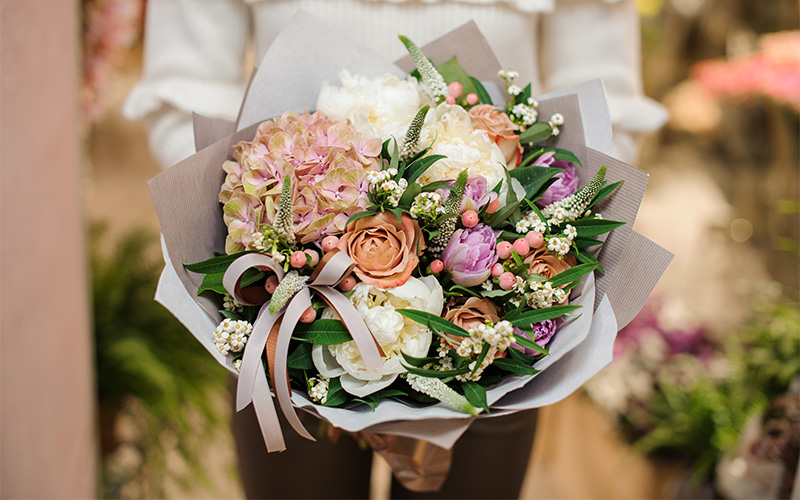
Key Takeaways
- Foliage is an essential part of bouquet design, contributing to the arrangement's structure, texture, and overall visual balance.
- Different foliage varieties, such as eucalyptus, ruscus, leatherleaf fern, salal, and dusty miller, each bring unique shapes, colours, and textures.
- The amount of greenery influences the bouquet's style, from clean and contemporary to soft and garden-inspired.
- Considering the foliage as well as the flowers can help you choose a bouquet that better suits the recipient, occasion, and intended display.
- Professional florists carefully combine flowers and foliage to create arrangements that feel cohesive, balanced, and thoughtfully designed.
Introduction
When admiring a flower bouquet, most attention naturally goes to the blooms themselves. Roses, sunflowers, hydrangeas, lilies, and other flowers often become the focal point of the arrangement. However, another important element plays a significant role in its overall appearance: bouquet foliage.
Foliage refers to the leaves, greenery, and plant materials incorporated into floral arrangements alongside flowers. While it may appear secondary at first glance, it contributes to the shape, texture, balance, and character of the bouquet. In professional floristry, foliage goes beyond decorative greenery: it helps transform a collection of flowers into a cohesive arrangement that feels intentional, balanced, and visually appealing.
Why Do Flower Bouquets Include Foliage?
Foliage serves several important functions within a bouquet, influencing both its appearance and overall design.
One of its primary roles is to provide structure. Different types of bouquet greenery help establish the outline of the arrangement, supporting the placement of flowers while giving the bouquet a clear shape. This framework allows the blooms to sit naturally rather than appearing crowded together.
Greenery also creates contrast: different shades of green help brighter flowers stand out, making colours appear more vibrant and allowing focal blooms to draw the eye more easily. Without this contrast, bouquets can sometimes appear visually flat or lack definition.
Texture is another important contribution. Flowers generally have soft, rounded petals, while foliage introduces different leaf shapes, edges, and surfaces. This variation creates greater depth and interest without overwhelming the flowers. Most importantly, florists use foliage to achieve bouquet balance: rather than simply filling empty spaces, greenery helps distribute colour, shape, and visual weight throughout the arrangement so the bouquet feels harmonious from every angle.
Popular Types of Bouquet Foliage
Different foliage varieties contribute different qualities to a floral bouquet. Florists select them based on the bouquet’s style, flower varieties, and the overall mood they want to create.
Eucalyptus
Eucalyptus is one of the most recognisable foliage choices in modern floristry. Its rounded leaves, soft blue-green tones, and gentle movement complement a wide variety of flowers. Depending on the variety used, eucalyptus can create either a contemporary, minimalist appearance or a more relaxed garden-inspired style.
Ruscus
Ruscus is valued for its elegant structure and versatility. Its long stems and glossy leaves naturally add height to bouquets while framing the flowers without competing for attention. It is frequently used in hand-tied arrangements because it creates clean lines and supports the overall composition.
Leatherleaf Fern
Leatherleaf fern is commonly used to introduce fullness and texture. Its finely divided leaves soften the arrangement while filling spaces between larger flowers. This makes it especially useful in larger bouquets where additional volume helps create a lush appearance.
Salal Leaves
Salal foliage creates a strong visual foundation within many bouquets. Its broad, rich green leaves help frame focal flowers while adding density around the base of the arrangement. Salal is particularly effective when a bouquet requires a fuller, more traditional appearance.
Dusty Miller
Dusty miller offers something different through its distinctive silvery-grey foliage. Its soft texture and muted colouring provide subtle contrast against both pastel and richly coloured flowers. Florists often include dusty miller when they want to introduce another layer of visual interest without relying on additional blooms.
How Foliage Shapes Bouquet Design
The amount of foliage used can completely change the personality of an arrangement.
Bouquets with very little greenery create a cleaner, more contemporary appearance where the flowers become the clear focal point. This style suits modern floral designs that emphasise simplicity and bold blooms.
Moderate foliage creates a balanced look that works well for everyday gifting. It frames the flowers, introduces texture, and helps produce a well-proportioned floral composition without drawing attention away from the blooms themselves.
More generous foliage creates a softer, more natural aesthetic. Extended greenery introduces movement around the edges of the bouquet, making the arrangement feel abundant and less structured. Garden-inspired bouquets often rely on this style to achieve a relaxed, organic appearance.
How to Choose Bouquets by Foliage
When choosing a bouquet for gifting, the amount of foliage can shape the overall impression it gives. Sparser greenery keeps the flowers in clear focus, creating a neat and polished look that can suit graduations, romantic occasions, formal celebrations, or recipients who prefer modern arrangements.
Fuller foliage gives the bouquet a softer and more abundant feel. The added greenery brings more texture, movement, and volume, making it a good choice for housewarmings, thank-you gifts, or recipients who enjoy natural, garden-inspired designs. A fuller floral composition can also make a hand bouquet feel more generous without depending on a larger number of blooms.
Your choice comes down to the look your recipient is likely to enjoy: a flower-focused bouquet feels clean and refined, while a foliage-rich arrangement feels relaxed, lush, and more decorative.
Supporting Beautiful Bouquet Design With Us
At Art In Bloom, our bouquet foliage is chosen as more than a standard filler, but as part of the bouquet’s colour story. Our florists consider the tone, finish, and leaf shape of each variety so the greenery supports the flowers without making the arrangement feel mismatched or overly busy. We also pay attention to how the foliage will age alongside the blooms, using greenery that holds its appearance well. Our bouquets remain cohesive as the flowers gradually open and change over time, creating a more considered finish from the moment the bouquet is presented.
If you are unsure which bouquet to choose, our florists can also help you find an arrangement that suits both the occasion and the recipient. From clean, flower-focused design or to bouquets with a softer, more natural feel, we carefully consider the overall composition so your floral gift reflects the style and impression you want to create. We also provide same-day delivery for time-sensitive gifts.
Conclusion
Foliage, though typically overlooked, separates a professionally designed bouquet from a simple collection of flowers. Beyond adding greenery, it helps guide the eye through the arrangement, soften transitions between blooms, and create a natural flow that gives the bouquet depth and character. The right foliage allows each flower to stand out without competing for attention, resulting in a design that feels balanced and intentional.
At Art In Bloom, bouquet foliage selection begins alongside flower selection. Our florists carefully consider how different greenery complements the colour palette, flower varieties, and style of the arrangement, ensuring every element works together as a cohesive whole. This thoughtful approach allows us to create bouquets that feel distinctive for the occasion and thoughtfully tailored to your recipient.
Explore our collections today.