Why Is the Traditional Maneki-neko Calico?
Key Takeaways:
- The traditional Maneki-neko uses a white, black, and orange calico pattern, reflecting the appearance of real calico cats, which are associated with good fortune in Japanese culture.
- The calico lucky cat meaning centres on broad wishes for luck, happiness, prosperity, and protection rather than one specific intention.
- Male calico cats are particularly rare due to the genetics behind orange and black colouring, adding to the distinctive reputation of the calico pattern.
- Different calico designs can place greater emphasis on certain meanings, with white linked to fresh beginnings, gold to prosperity, and black to protection.
- A traditional calico Maneki-neko can be a meaningful gift for housewarmings, business openings, graduations, and other milestones when you want to convey general wishes of good fortune.
Introduction
The Maneki-neko, often known as the Lucky Cat or Fortune Cat, is one of the most recognisable symbols of good fortune in Japanese culture. Found in homes, shops, offices, and businesses worldwide, these charming figurines are believed to invite luck, prosperity, and positive opportunities.
Today, Maneki-neko are available in a wide variety of colours and designs. However, the version most commonly associated with the Lucky Cat is the traditional calico pattern, featuring a combination of white, black, and orange markings.
The calico appearance is more than a distinctive decorative choice. In reality, the calico cat has a long history in Japan and has been associated with luck and protection for centuries. Understanding the calico lucky cat meaning therefore begins with the cultural significance attached to real calico cats.
Why Is the Traditional Maneki-neko Calico?
The traditional Maneki-neko takes its appearance from the calico cat, a cat with a coat pattern consisting of white, black, and orange patches.
Long before the Lucky Cat became a popular decorative ornament, calico cats were already regarded as fortunate animals in Japan. Their distinctive appearance made them stand out, and their relative rarity contributed to their reputation as symbols of good fortune.
Over time, stories and beliefs surrounding calico cats became intertwined with the legends of the Maneki-neko. As the Lucky Cat grew in popularity, the calico pattern became the standard design and remains the most traditional version today.
For this reason, the classic calico Maneki-neko is often associated with broad good fortune, prosperity, happiness, and protection rather than any single type of luck. This broader symbolism is central to the calico lucky cat meaning, distinguishing the traditional design from colours associated with more specific wishes.
The History of Calico Cats in Japan
The connection between calico cats and good fortune dates back hundreds of years.
During Japan's Edo period, cats were valued as companions and for their ability to control rodents. People from different parts of society kept them, and they also became familiar subjects in paintings, stories, and ukiyo-e.
Calico cats attracted particular attention because of their unusual colouring. Male calico cats are especially rare because the genes responsible for orange and black colouring are linked to the X chromosome, making the typical three-colour combination uncommon in males. Their rarity further contributed to the perception that calico cats were unusual and fortunate.
Calico cats have also become associated with protection through folk stories that connect them with safe travel and good fortune. Tales of calico cats accompanying sailors are often repeated as part of this wider folklore, although they are better understood as traditional beliefs about lucky cats than as evidence of a universal historical practice.
As these associations grew over time, the calico cat became closely connected with ideas of prosperity, protection, and positive fortune. These qualities naturally carried over into the symbolism of the Maneki-neko. This history adds another layer to the calico lucky cat meaning seen in the traditional figurine today.
Understanding Different Calico Maneki-neko Designs
Although the traditional calico Maneki-neko follows the familiar white, black, and orange pattern, modern interpretations sometimes emphasise certain colours while retaining the classic calico appearance.
Traditional Calico
The classic combination of white, black, and orange remains the most traditional and widely recognised design.
This version is commonly associated with overall good fortune, prosperity, happiness, and success. It can be a good choice when you want to give a general blessing rather than a colour tied more closely to a particular intention, such as wealth, protection, or a fresh start. This broad symbolism can also make a maneki neko gift suitable when you are unsure which specific blessing best fits the recipient.
White-Dominant Calico
Some calico Maneki-neko feature more white than the traditional pattern.
White is often associated with positivity, harmony, and fresh beginnings. As a gift, a white-dominant calico Lucky Cat may be especially suitable for housewarmings, graduations, or other new beginnings in life.
Gold-Accented Calico
Certain modern designs incorporate gold elements into the traditional calico colour scheme.
These variations retain the symbolism of the classic calico Maneki-neko while adding stronger associations with prosperity, abundance, and business success.
Black-Accented Calico
Calico designs with more prominent black markings are often appreciated for their connection to protection and safeguarding against negative influences.
While they still represent overall good fortune, they may especially appeal to those who value the protective symbolism traditionally associated with black Lucky Cats.
Choosing a Calico Maneki-neko as a Gift
One reason the calico Maneki-neko has remained popular for generations is its versatility as a gift.
Unlike some Lucky Cat colours that are associated with specific wishes or intentions, the traditional calico design conveys a broad range of positive sentiments. This makes it suitable for a variety of occasions, including housewarmings, business openings, promotions, graduations, and celebrations of new beginnings. A fortune cat gift in the traditional calico pattern can therefore work particularly well when the intention is to share general wishes of happiness and good fortune.
Its strong connection to the original Maneki-neko tradition also gives it a sense of authenticity and cultural significance that many recipients appreciate. For gift-givers, the broad calico lucky cat meaning can make the traditional design suitable when they want to convey general wishes of happiness, protection, and success rather than one specific form of luck.
Conclusion
The traditional calico Maneki-neko owes its popularity to centuries of cultural beliefs surrounding calico cats in Japan. Their distinctive appearance, rarity, and long-standing associations with luck and protection helped establish the calico pattern as the Lucky Cat's defining look.
While modern Maneki-neko are available in many colours and styles, the classic calico version remains the most traditional and widely recognised. Its enduring symbolism of prosperity, happiness, and good fortune makes it a meaningful gift for homes, businesses, and new beginnings. The calico lucky cat meaning ultimately reflects this combination of long-standing tradition and broad wishes for positive fortune.
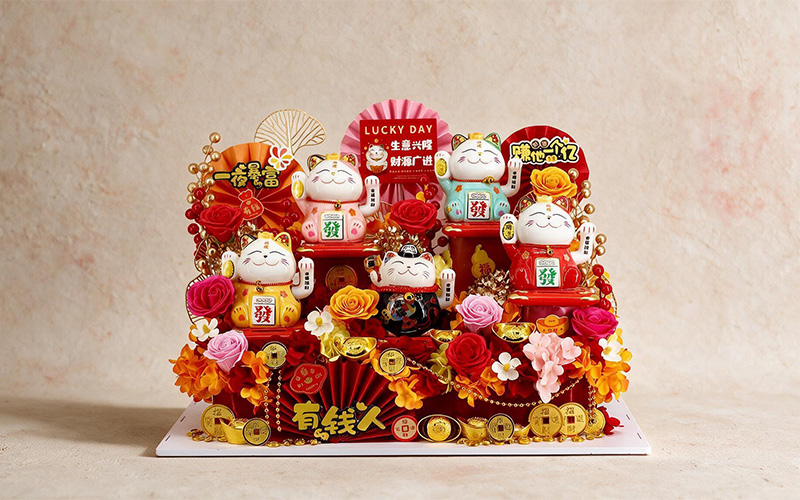
At Art In Bloom, our collection offers options for anyone looking for a meaningful lucky cat gift for housewarmings, business openings, celebrations, and other special occasions.
Choose a Lucky Cat that reflects the recipient, occasion, or blessing you want to convey, and make the symbolism part of the gift itself.